Italian traditions that surprise newcomers
Ferragosto, family, coffee, patron saint festivals, local identity and food — everyday Italy beyond the stereotypes.
January 12, 2026 · 4 min
You can have residence, codice fiscale, and health card in order—and still feel like an outsider on 15 August, when the bar downstairs closes and the city seems suspended. Italy is not integrated only in offices: it is integrated by understanding why a country celebrates, eats, and stops in certain ways.
These pages are not a tourist manual. They are an affectionate map of customs that, once recognised, help you live better—and not interpret as “closure” or “disorganisation” what for Italians is simply a shared calendar.
Ferragosto: the heart of the Italian summer
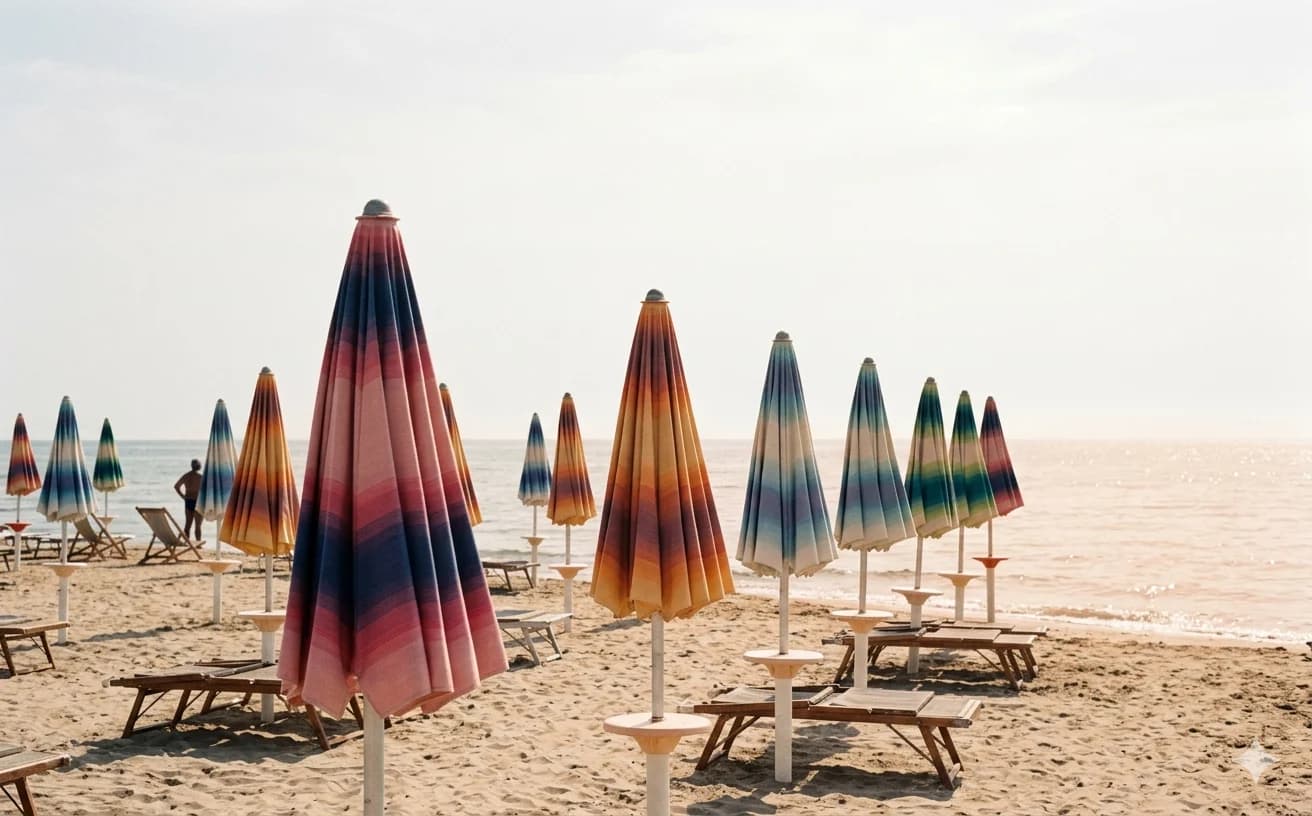
Ferragosto (15 August) has roots in Roman summer holidays and the Catholic feast of the Assumption. Today it marks the peak of the summer break: reduced factories, minimal office hours, families at sea or in the mountains, empty city centres and full seaside resorts.
For those from countries without such a marked summer pause, it can feel like a country that “stops”. In reality it is a social pact: summer is anticipated from July with staggered closures, and September resumes with new energy. If you need procedures at Ferragosto, plan before—or after 20 August.
Family: network, not only kinship
In Italy “family” does not mean only the nuclear unit: it includes aunts, cousins, grandparents who help with children, long Sunday lunches, and mutual obligations. That is not universal—single-parent families, childless couples, and chosen communities are increasingly visible—but the extended model remains a strong cultural reference.
For an expat this can mean sudden lunch invitations, sincere questions (“so when are you getting married?”), or concrete help in need. Accepting a lunch invitation is often more effective than months of language class for building familiarity.
Coffee at the bar: social grammar
The Italian bar is an informal post office, a gentle gossip desk, and a first Italian lesson. Espresso at the counter costs little and lasts minutes; sitting at a table changes price and time. Offering coffee is a gesture of peace or welcome; “let’s have a coffee” often means “let’s talk.”
We dedicated an article to the coffee ritual at the bar: here it is enough to remember that understanding these codes makes you seem less a “permanent tourist” and more part of the neighbourhood.
Patron saint festivals and sagre: the calendar of local identity
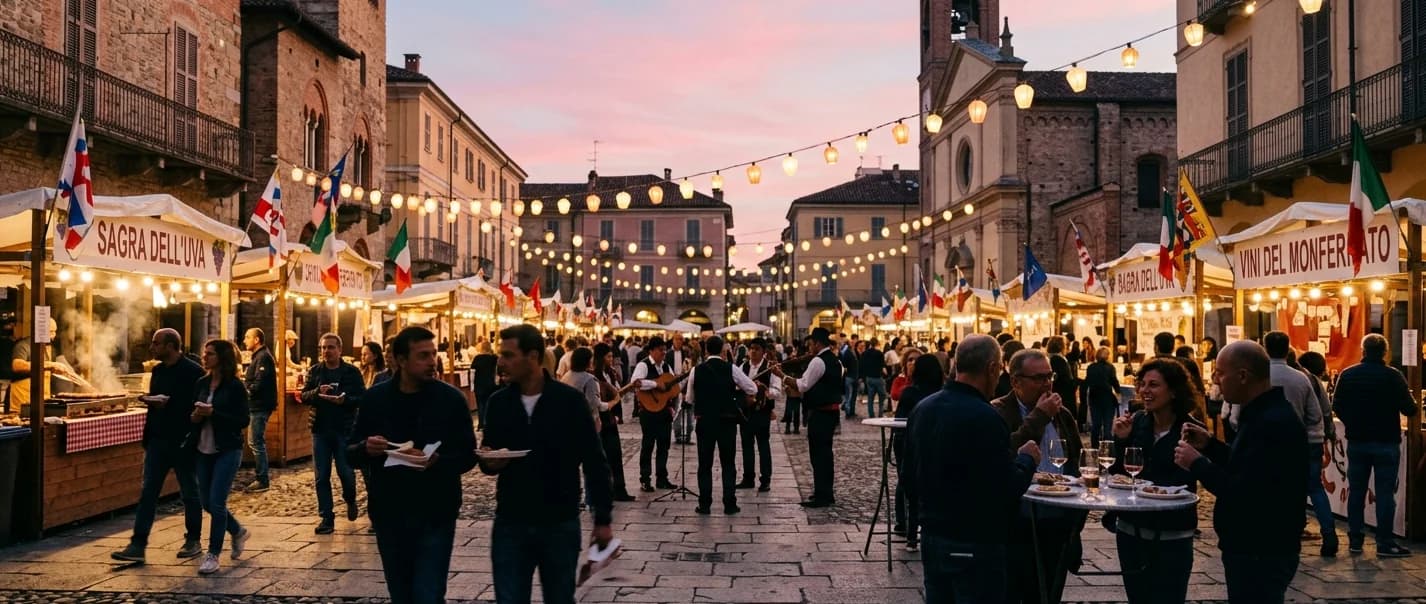
Every town—sometimes every city neighbourhood—has a patron saint or a festival that marks the year. Processions, bands, fireworks, street banquets: not only spectacle but reaffirmation of belonging. Those who move to a small municipality discover that knowing the town festival matters more than knowing the mayor’s name.
Sagre (festivals dedicated to a product: truffle, fish, wine) unite local economy and ritual. Taking part, even as a respectful observer, is a way to say “I am here” without formal speeches.
Local identity: campanilismo without irony
Campanilismo—attachment to one’s bell tower—is often mocked, but it drives dialects, recipes, friendly sports rivalries, and solidarity in hard times. In Italy you do not live only “in Italy”: you live in Palermo, Bergamo, Perugia, with different shades of local pride.
To integrate, learn three things about the place: a typical dish, a dialect word, a festival date. Not to pass as Italian: to be welcomed.
Food: identity, season, unwritten rules
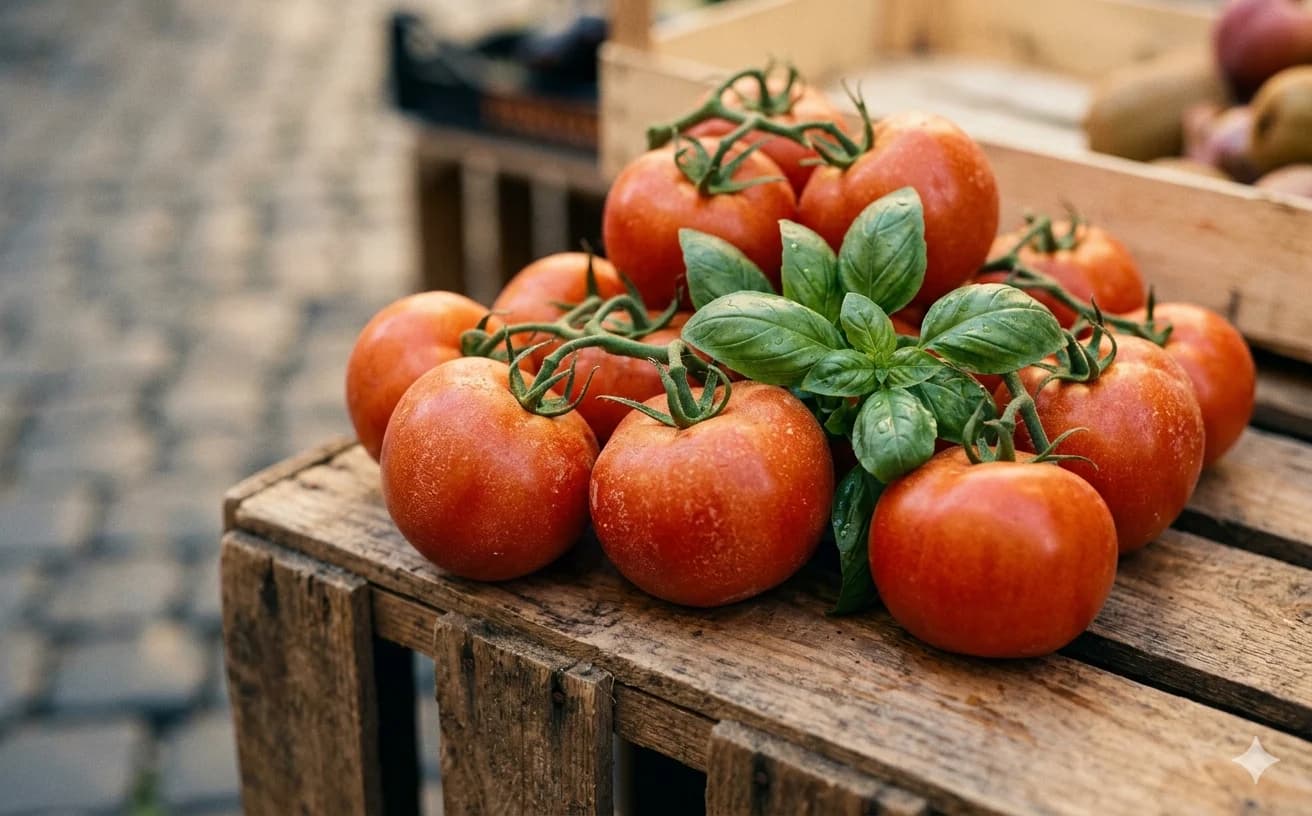
Italian cuisine is not one fixed national menu: it is a mosaic of territories. Risotto is not “more authentic” than a southern grandmother’s pasta sauce; Neapolitan pizza follows different rules from Roman. Seasonality is not fashion: an August tomato tastes unlike anything you find in winter elsewhere.
- Do not cut pasta with a knife—but above all do not offend whoever cooked for you
- Sunday lunch can last hours: it is not wasted time, it is clan reunion
- Asking for a “double coffee” like in the USA at the counter may surprise: better one coffee and, if needed, another
- Bottled water at restaurants is normal, not snobbery
New Year’s Eve, Epiphany, and the year’s story
Beyond Ferragosto, Italy measures time with Christmas and New Year’s dinners, Epiphany for children, Carnival in some regions, Easter with local cakes. Family and tradition overlap: those without relatives here can find community in friends, associations, or volunteering.
Integrating does not only mean having documents in order—it means understanding why a country celebrates as it does.
If bureaucracy still separates you from this daily life, the guide to living in Italy helps with practical steps. ItaloDocs stays with you for certificates, translations, and documentary procedures—so you have more time for the bar, the festival, and the first Sunday lunch you are invited to.