North or South? Choosing a region to live in Italy without stereotypes
History, climate, economy, cost of living and pace of life in North, Centre and South — real criteria to decide.
January 25, 2026 · 5 min
“The North is better because there is work” or “you live better in the South with less money” are phrases you hear often—and they rarely help anyone who must really choose where to build a life in Italy. The country is not a cartoon split in two colours: it is a federation of twenty regions, hundreds of local cultures, different labour markets, and microclimates that change within a few kilometres.
This guide compares North, Centre, and South on concrete criteria—history, culture, climate, economy, cost of living, and daily rhythms—to support an informed choice. If you are preparing a move, pair it with our practical guide to living in Italy and common relocation mistakes.
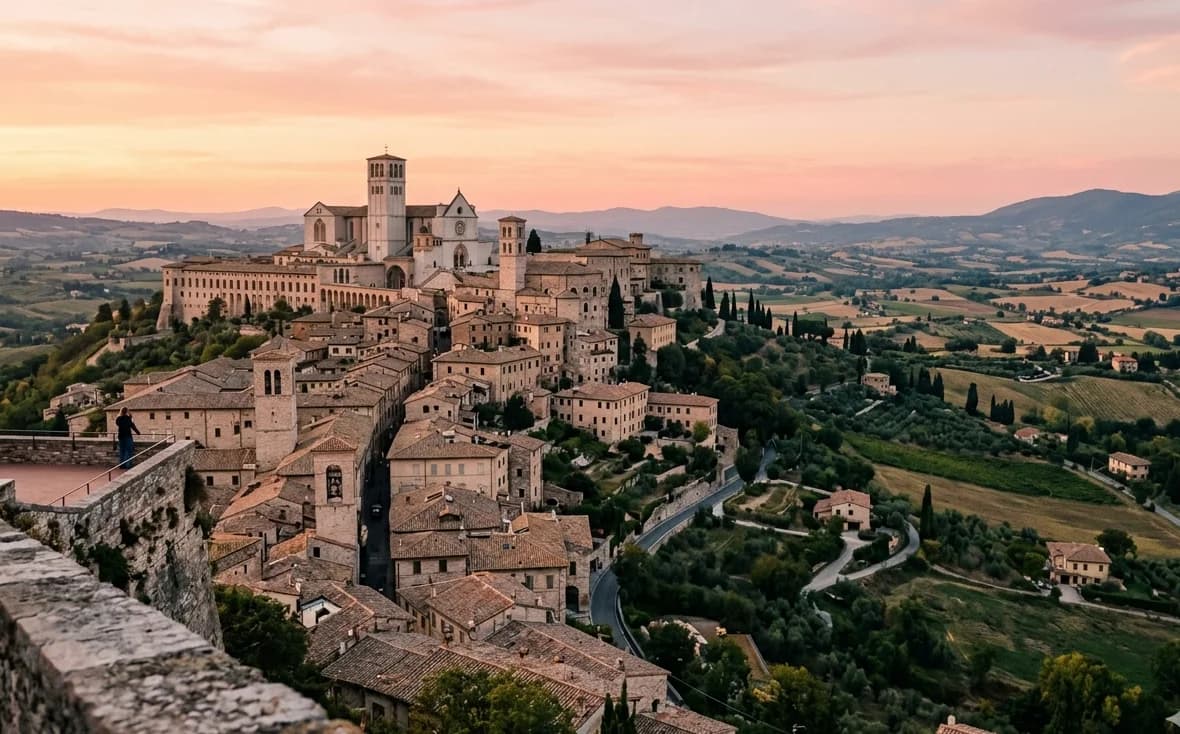
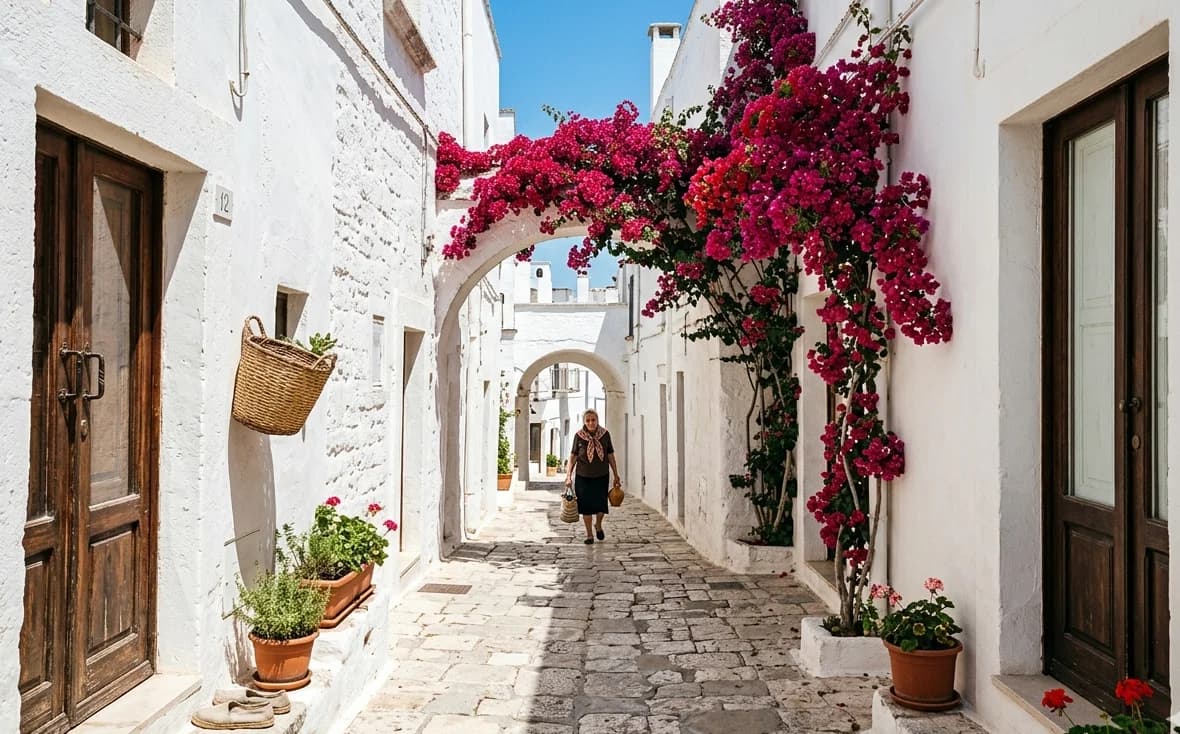
Why “North vs South” is not enough
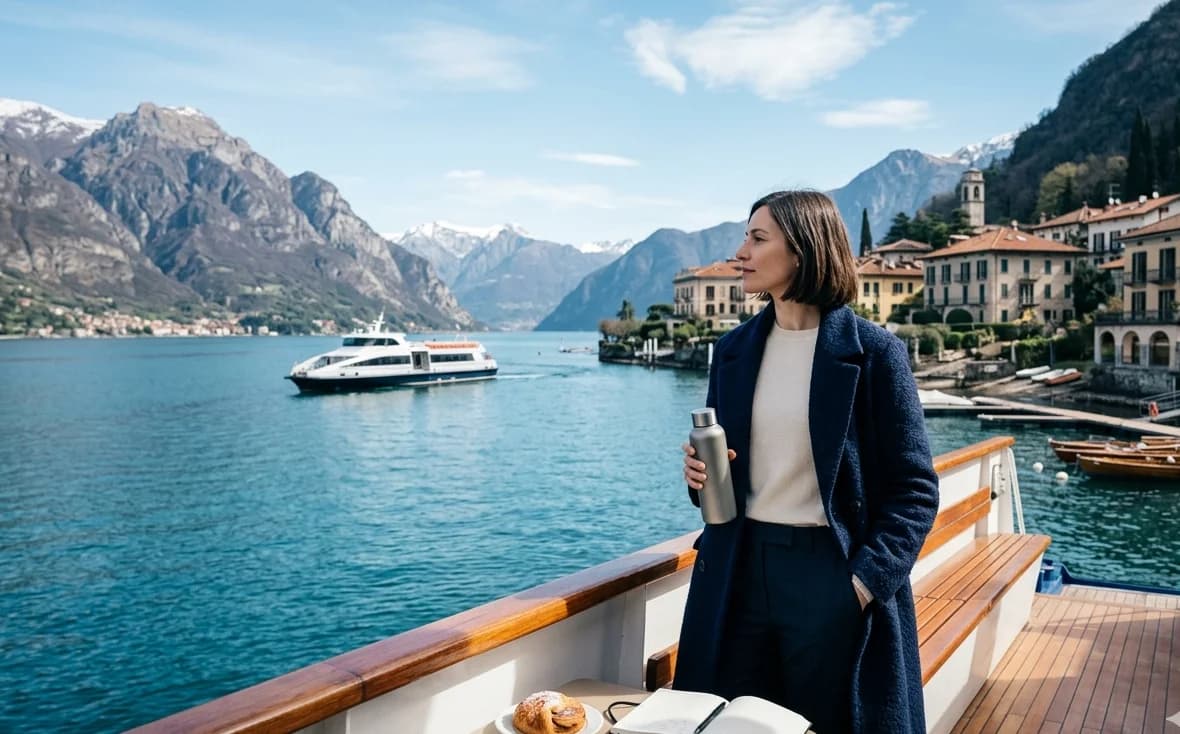
The North–South gap is real on some indicators (per capita income, youth employment, infrastructure in certain inland areas), but it does not explain daily life by itself. Milan is not like Bolzano; Palermo is not like Matera; rural Tuscany is not Rome. Speaking of “the South” as one city is like reducing “North America” to New York.
Historically, north-central Italy industrialised earlier and attracted internal migration from the Mezzogiorno after the war; today urban renewal, widespread tourism, remote work, and village depopulation coexist. Understanding which province interests you matters more than a North or South label.
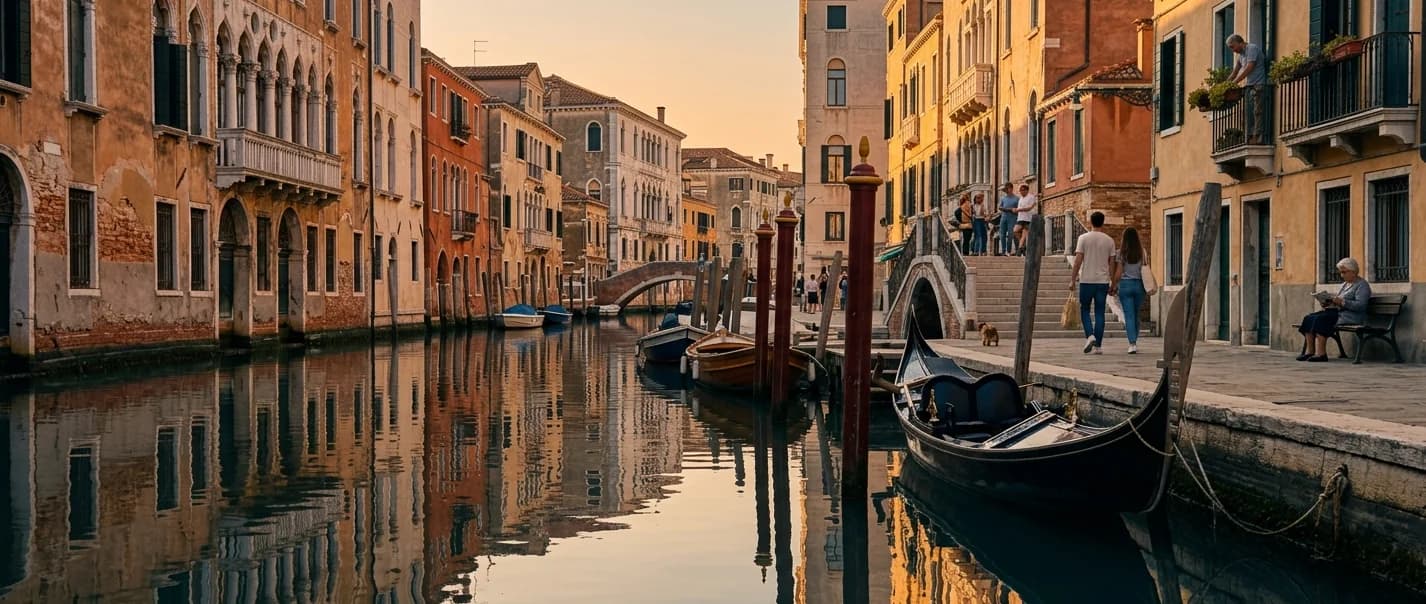
Northern Italy: dynamism, Alpine climate, higher costs
History and culture
The North was a commercial crossroads for centuries: maritime republics, foreign dominations in border zones, Austrian influence in Trentino-Alto Adige and Friuli. You feel it in architecture, dialects, food (risotto, polenta, cheeses), and often in a relationship with work oriented to punctuality and efficiency—without that applying to every individual.
Climate and economy
Cold, foggy winters on the Po plain; warm but less extreme summers than the South; Alps and Prealps for mountain and ski lovers. The economy is driven by manufacturing, services, finance (Milan), mountain tourism, and specialised districts (Veneto, Emilia-Romagna). Employment is on average higher, but competition for skilled work is strong.
Costs and pace
Rent and property in Milan, Bologna, Trento, or Padua are among Italy’s highest. Urban rhythms are sustained: efficient public transport in many cities, but traffic and living costs to plan. The North suits you if you seek specific sectors, international networks, and infrastructure—and if the budget allows.
Central Italy: balance, history, diverse territories
History and culture
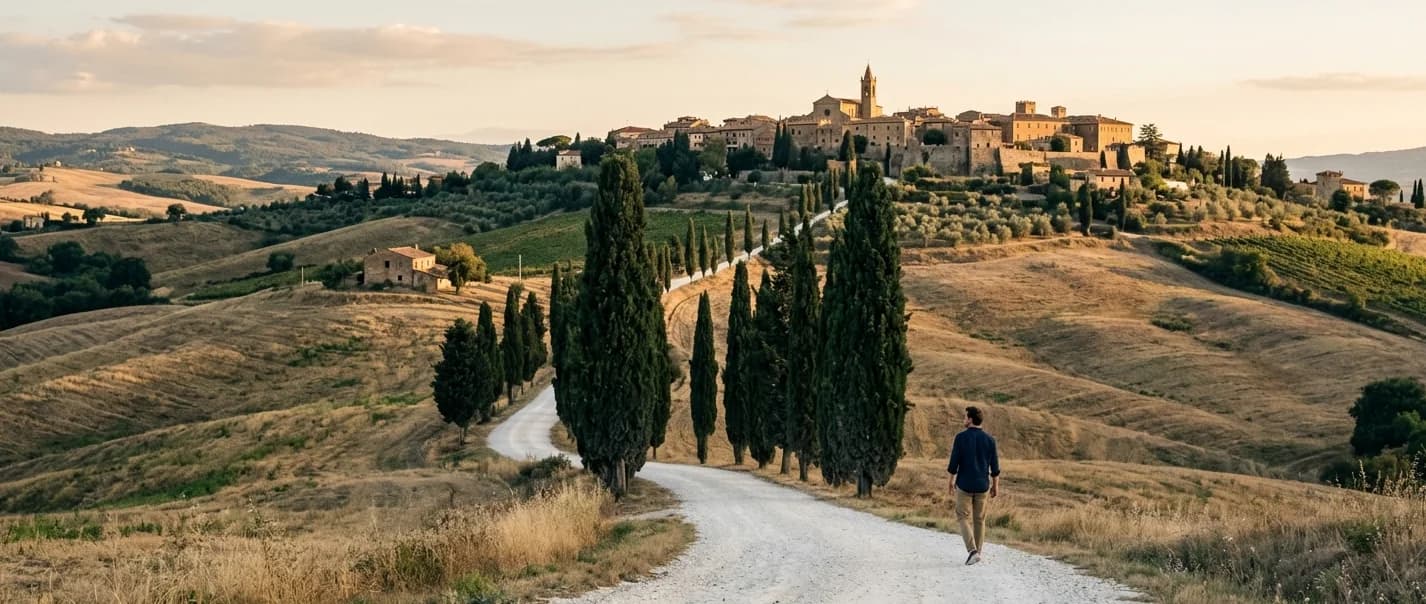
Lazio, Tuscany, Umbria, Marche, and Abruzzo (often counted in the Centre) hold the core of Roman and medieval history. Food culture is seasonal and territorial; villages remain social anchors; tourism coexists with craft and quality agriculture.
Climate and economy
Milder winters than the North; warm summers, often bearable in hill areas. Rome and Florence concentrate public administration, tourism, universities, and creativity; other provinces focus on agri-food, ceramics, growing tech hubs. Work depends heavily on sector: do not expect the same offer everywhere.
Costs and pace
Florence and Rome are expensive; small Tuscan or Umbrian towns can offer high quality of life at moderate cost, if you accept fewer services and more travel. Pace is generally less frantic than the North, but capital cities have metropolitan traffic and bureaucracy.
Southern Italy and islands: strong identity, challenges, opportunities
History and culture
The South carries Greek, Norman, Aragonese, and Bourbon heritage: living dialects, patron saint festivals marking the year, land- and sea-based cuisine often UNESCO-listed. Family and neighbourhood remain central social networks. It is not “slower” in absolute terms: it is different—often more relational than procedural.
Climate and economy
Mild winters, long hot summers; islands with distinct identities (Sicily, Sardinia). Traditional economy includes agriculture, fishing, coastal tourism; innovation hubs emerge (e.g. digital sectors in Naples or Cagliari) and village renewal. Youth employment and inland connections remain known challenges—not taboo.
Costs and pace
For equivalent space, many southern cities offer lower rents than the North; local food shopping can be advantageous. Daily life favours the outdoors much of the year. However, weigh healthcare, schools, air, and rail links if you work remotely or travel often.
How to compare in practice: a checklist
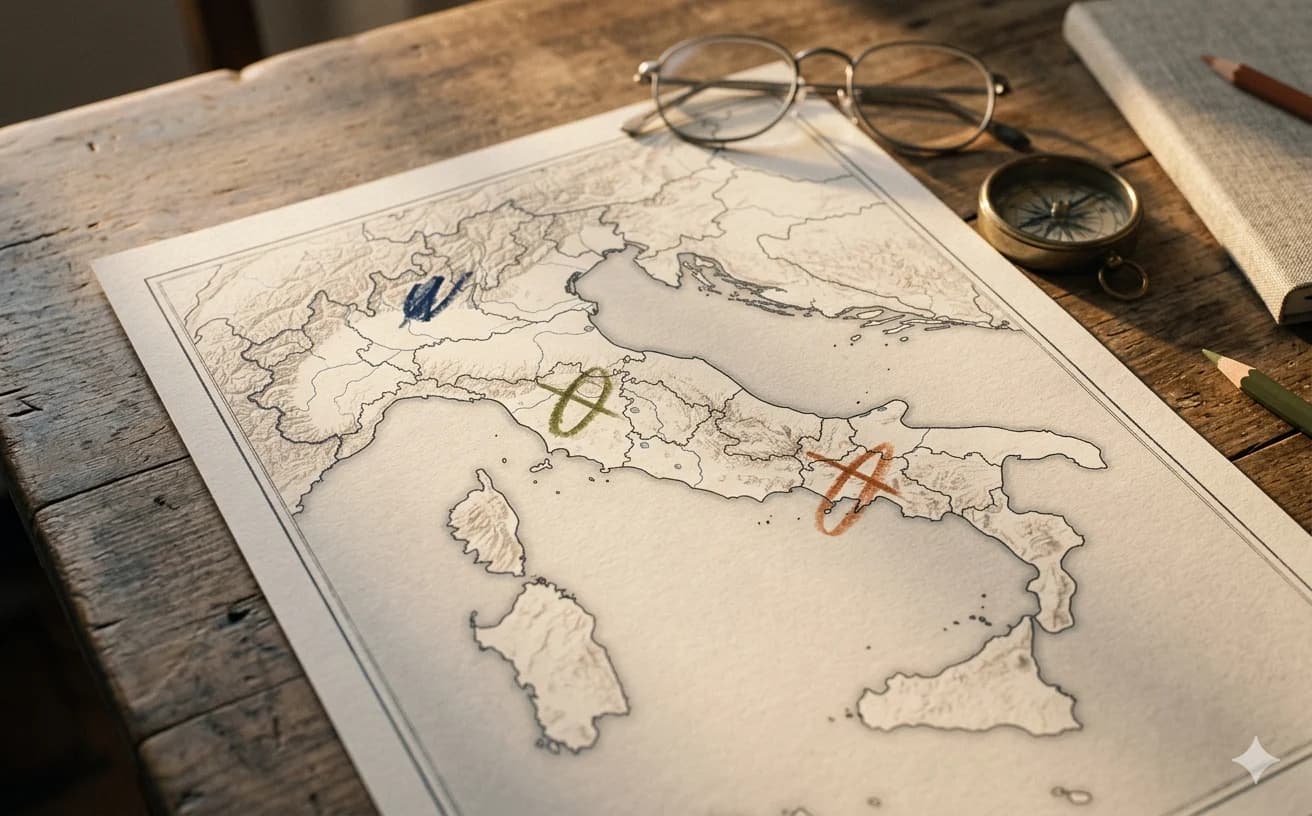
- Work or income: sector, remote work, partita IVA, pension—check local offer, not only national averages
- Climate and health: allergies, extreme heat, humidity, harsh winters
- Cost of living: rent, utilities, transport, shopping—compare the same housing type
- Services: hospitals, bilingual schools, nurseries, airport links
- Integration: foreign community, Italian courses, local volunteering
- Bureaucracy: municipality and registry timelines vary; documents are national, timings are not
Documents and relocation: where you live does not change the rules
Anagrafe residence, codice fiscale, residence permit, and certificates for abroad follow the same national rules regardless of region. What changes are office timelines and counter availability. If you need certificates for a foreign procedure—criminal record, registry, apostille—plan ahead: see criminal record online and apostille.
Choosing where to live in Italy is an exercise in listening: to the land, to people, and to yourself—not to slogans.
ItaloDocs supports those who must obtain Italian documents from abroad or prepare procedures for relocation. We do not make life choices for you, but we can lighten the bureaucracy chapter while you explore North, Centre, and South with fresh eyes.