Travelling in Italy beyond tourist hotspots
Historic villages, lesser-known regions, regional trains, local food and authentic experiences away from mass tourism.
March 5, 2026 · 5 min
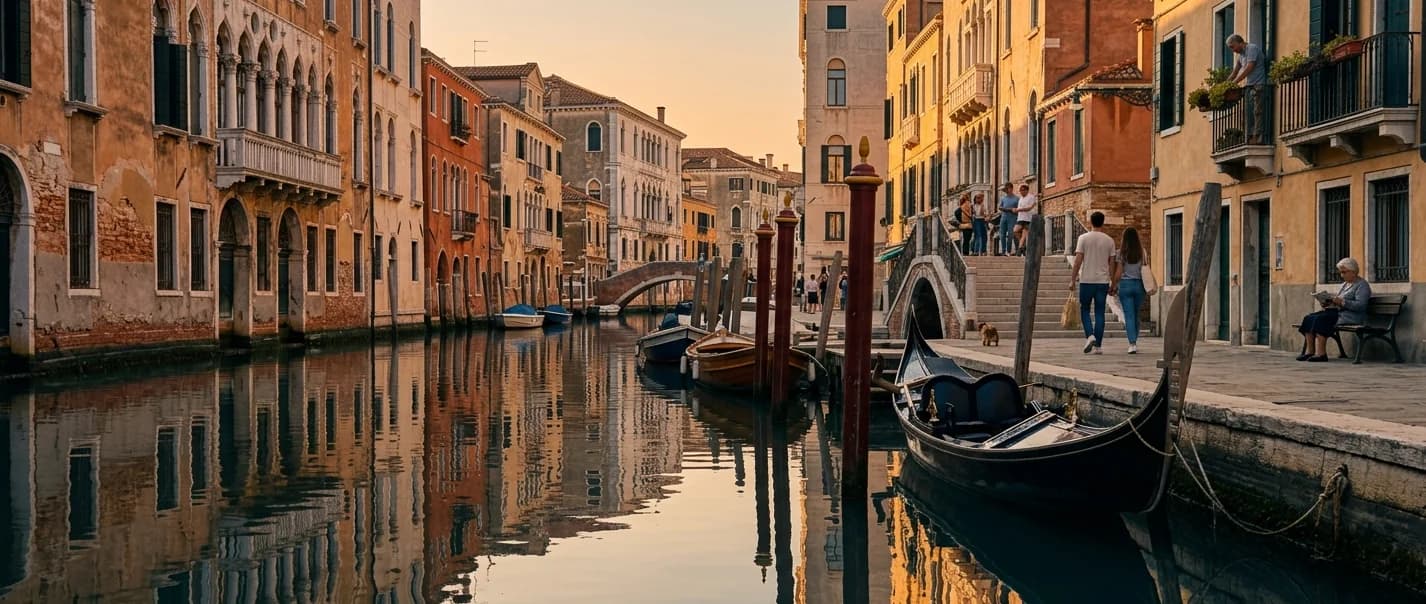
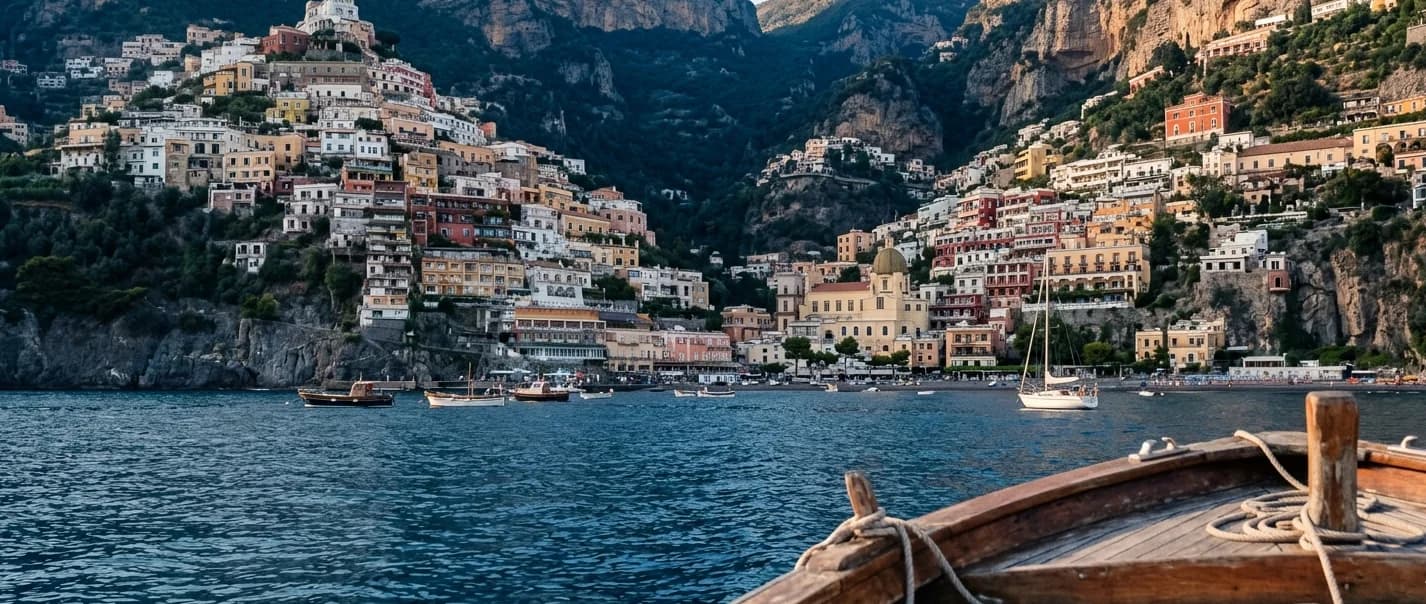
Rome, Florence, Venice, the Amalfi Coast: they deserve every minute you give them. But if you have already seen the postcards—or prefer a less crowded Italy closer to daily life—there is another way to travel: slow, curious, attentive to details that do not appear on organised tours.
The most memorable Italy is often found away from traditional tourist routes.
That does not mean giving up art or good food. It means choosing one region at a time, leaving room for the unexpected, and accepting that a delayed regional train can become an excuse for an unplanned lunch in a half-empty trattoria.
Why leave the superhighways of tourism
Mass flows concentrate prices, queues, and standardised experiences. In lesser-known villages and provinces you find more authentic human contact, real seasonality, living crafts, and landscapes that tell local stories—from the Apennines to smaller islands, from Alpine valleys to inland Basilicata.
Historic villages and small towns
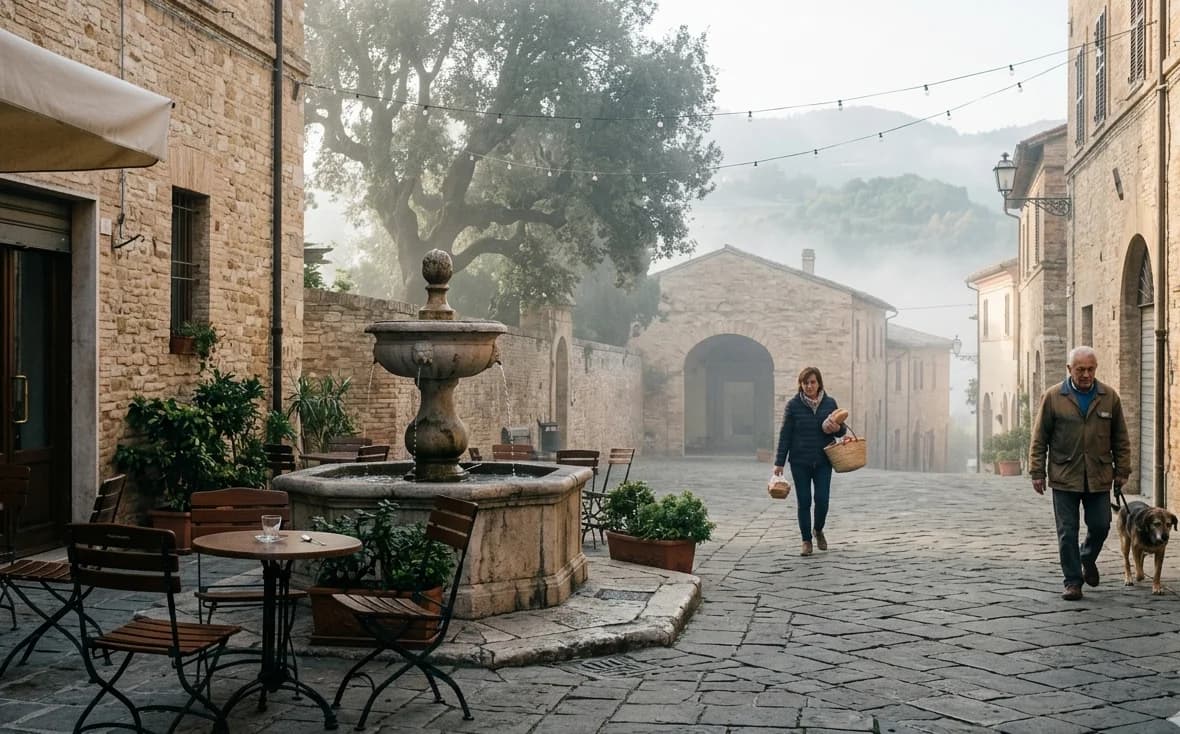
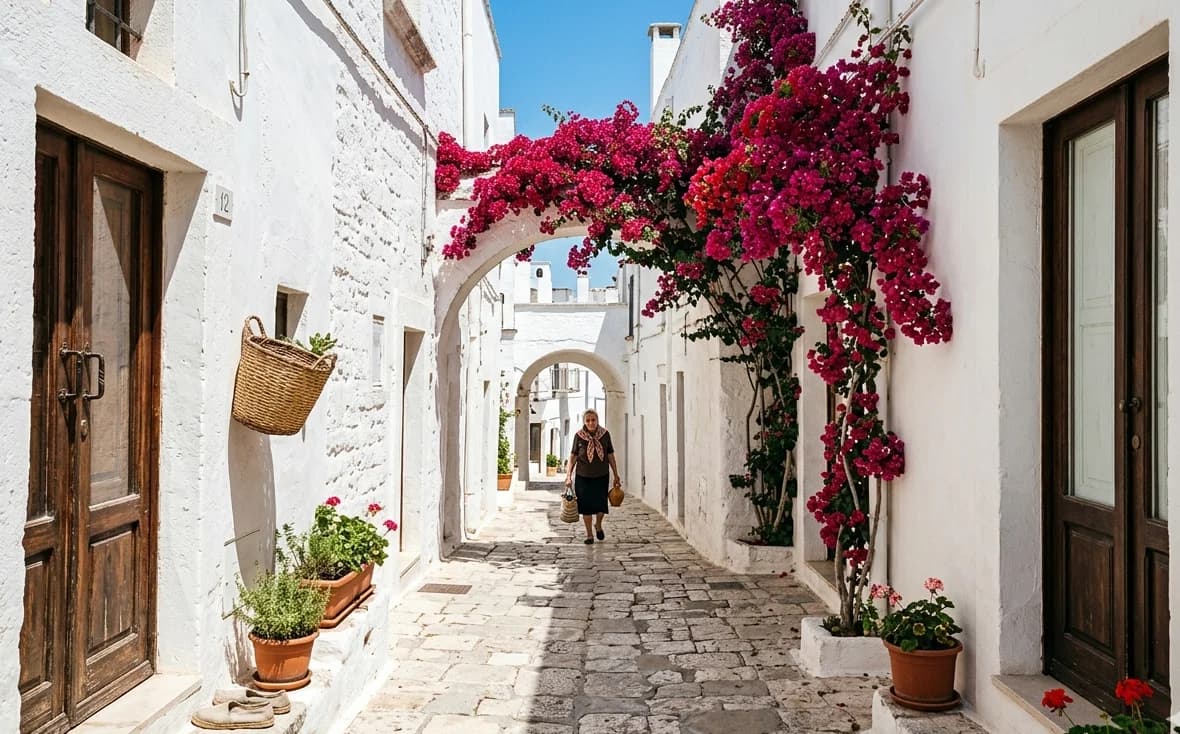
Italy has thousands of borghi: some rediscovered by slow tourism, others still almost unknown. Walking aimlessly through stone lanes, climbing to a viewpoint, entering a tiny civic museum often matches a crowded national museum.
How to choose a village
- Look for local events: festivals, markets, re-enactments
- Check rail or bus connections—the car frees you, but the train offers different perspectives
- Prefer family-run stays (B&Bs, agriturismi)
- Read two traveller accounts, not only “most beautiful village” rankings
Lesser-known regions: ideas to start
Every region has its own character. Here are non-exhaustive suggestions for exploring beyond classic circuits:
- Molise and Abruzzo: mountains, transhumance routes, still quiet coast
- Inland Basilicata and Calabria: rugged landscapes, intense food, ancient Greek heritage
- Umbria and Marche: hills, human-scale art, alternative riviera
- Friuli and Trentino: cultural borders, white wines, orderly nature
- Inland Sicily and Sardinia: not only sea: hinterland, festivals, dialects
Regional trains: travel as experience
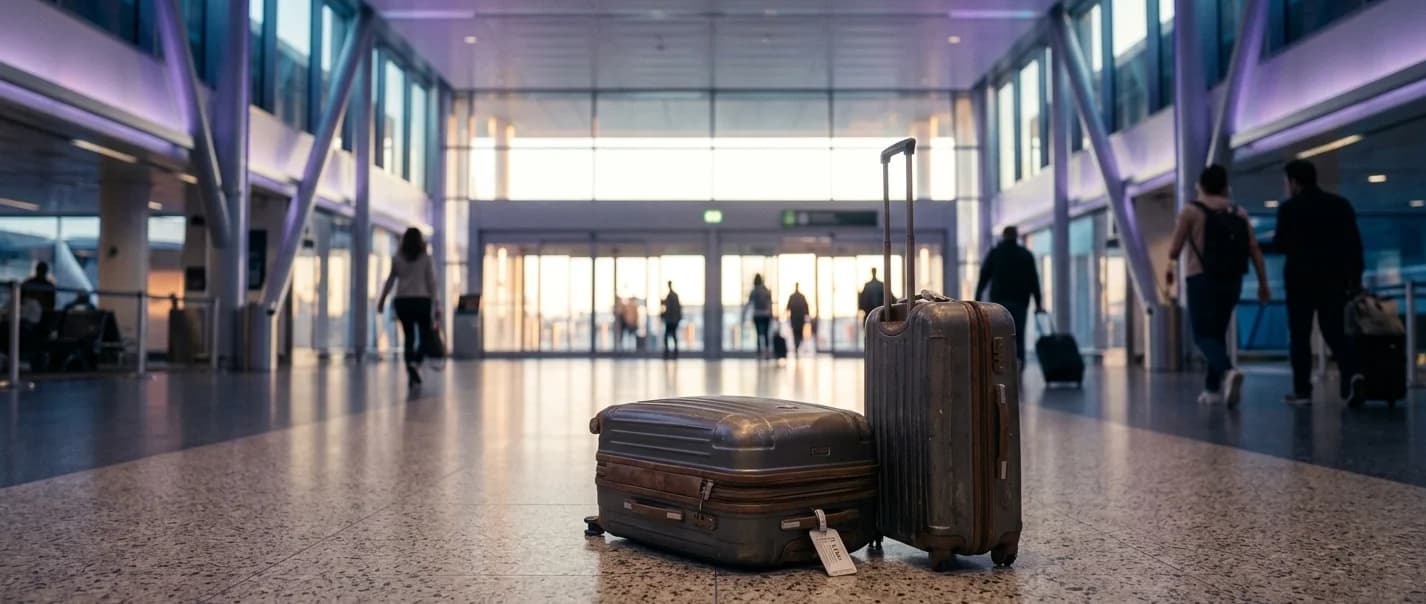
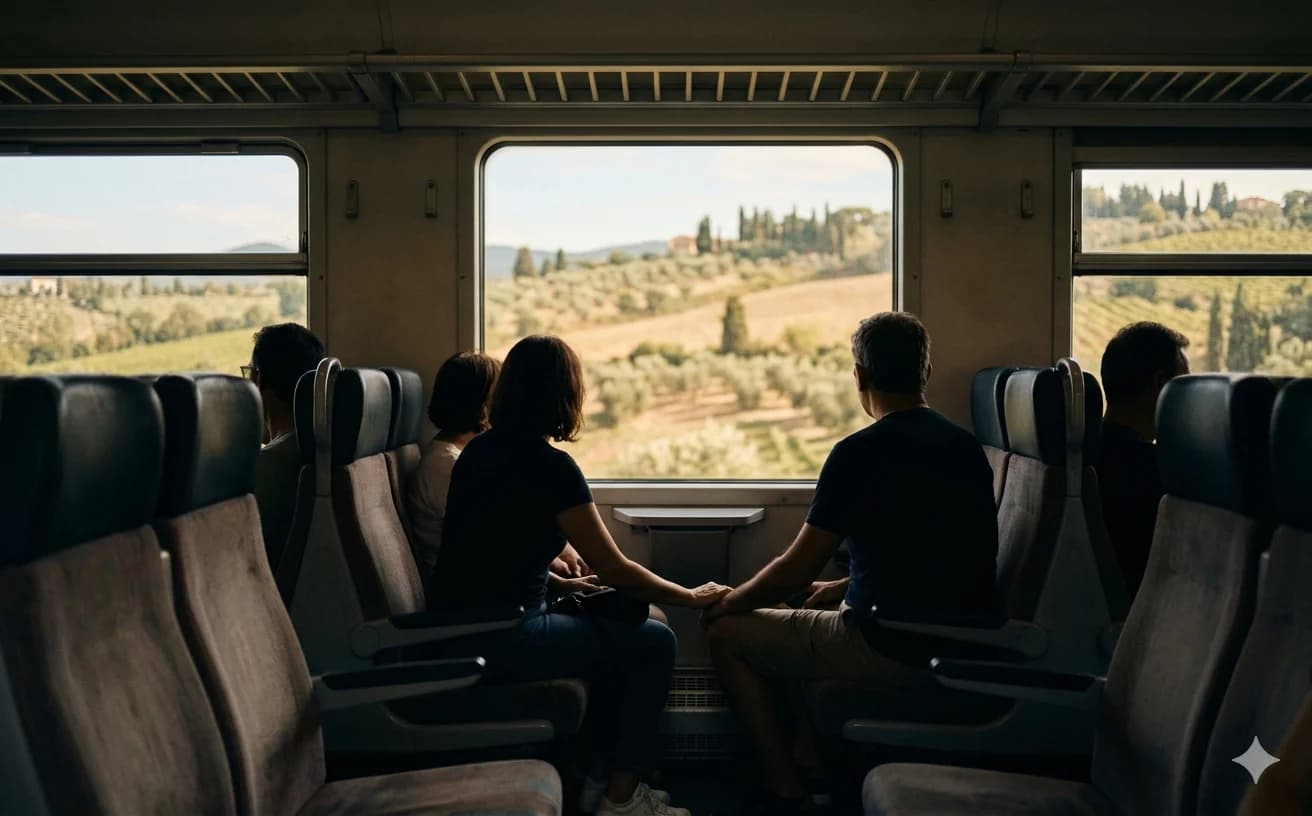
High-speed lines connect metropolises efficiently; regional trains are the stage for everyday Italy: students, workers, elderly going to the doctor, small suitcases, countryside scrolling past the window.
Practical tips on regionals
- Buy tickets in advance when possible; check strikes and engineering works
- Consider scenic or heritage lines (coastal or mountain stretches)
- Bring snacks and water: not every station has services
- If you have time, prefer slow connections to tight-connection stress
Local food: eating the territory
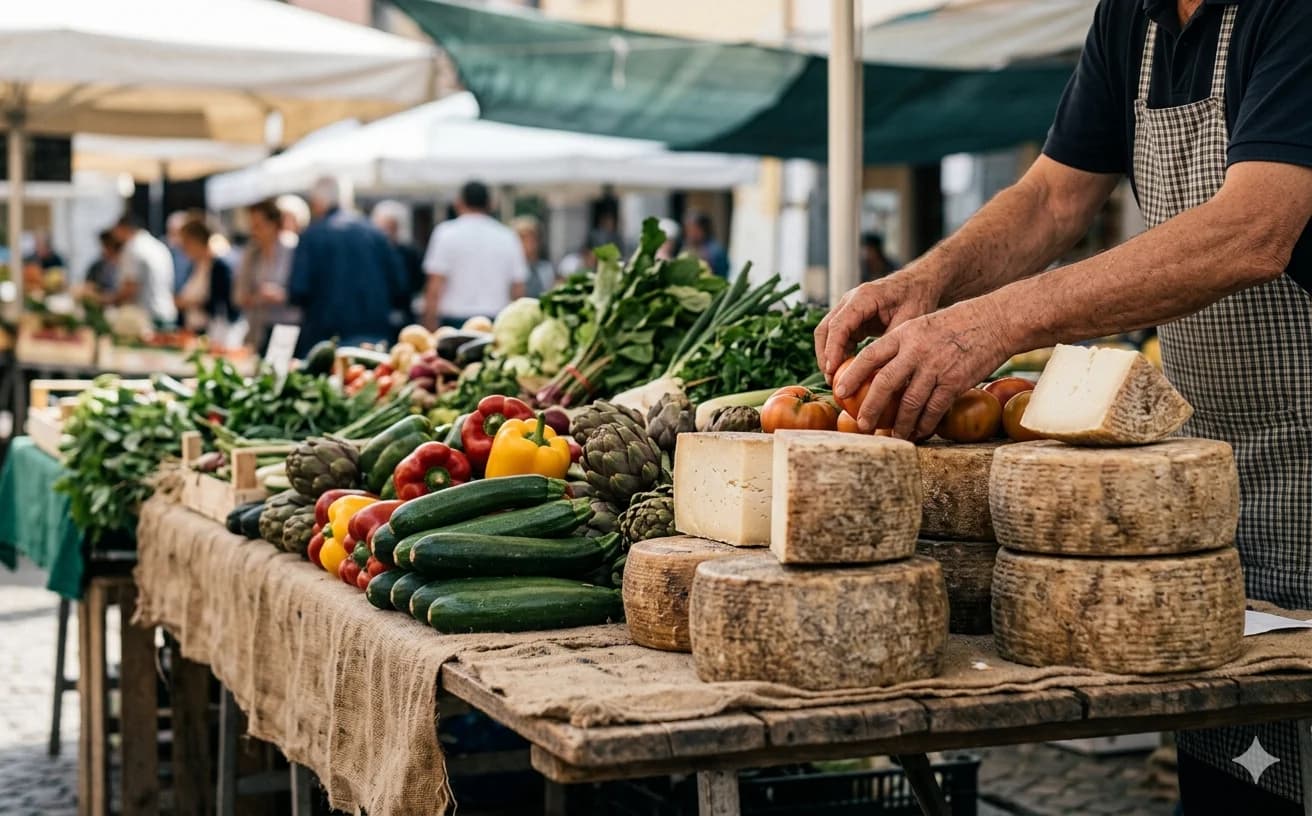
Italian cuisine is not a single monolith: there are valley recipes, PDO and PGI products, wines that change every twenty kilometres. Ask for the dish of the day, avoid tourist menus with plastic photos, try trattorias where the cover charge is on paper and wine is poured with proud restraint.
Simple rules at the table
- Breakfast at the bar, structured lunch, lighter dinner if you tasted all afternoon
- Respect seasonality: asparagus in spring, mushrooms in autumn, citrus in winter in the South
- Market shopping: cheese, fruit, bread—memorable picnics cost little
- Coffee at the counter after a meal: fast, cheap, social
To understand the coffee ritual—unlike almost anywhere else—read our guide to the Italian bar.
Authentic experiences (without forced folklore)
Authentic does not mean “staged peasant show”. It means participating with respect: a pasta lesson in a home, a wine bar where cards are played, a trail with local environmental guides, a provincial theatre, a winery that explains the land without hard selling.
- Stay two nights in the same village instead of racing a checklist
- Learn two words of Italian: they open doors and smiles
- Respect closing hours and rest: it is culture, not hostility
- Ask permission before photographing people or private interiors
Slow itineraries: three rhythms
One week in a single province
Base in a medium-sized village; alternate days between nature, a small museum, market, and a nearby town by bus. Zero “not enough seen”—maximum immersion.
Between two art cities, the countryside
Florence–Siena through the hills; Rome–Naples with stops in farmhouses; Turin–Milan with lakes in between. The countryside is the emotional glue.
Smaller islands or secondary coasts
Not only the famous destination: smaller islands, lesser-known headlands, beaches reachable only by local bus. Fewer services, greater reward.
The traveller who listens to Italy—not only photographs it—returns home with smells, sounds, and people’s names, not only entrance tickets.
Documents and procedures for longer stays
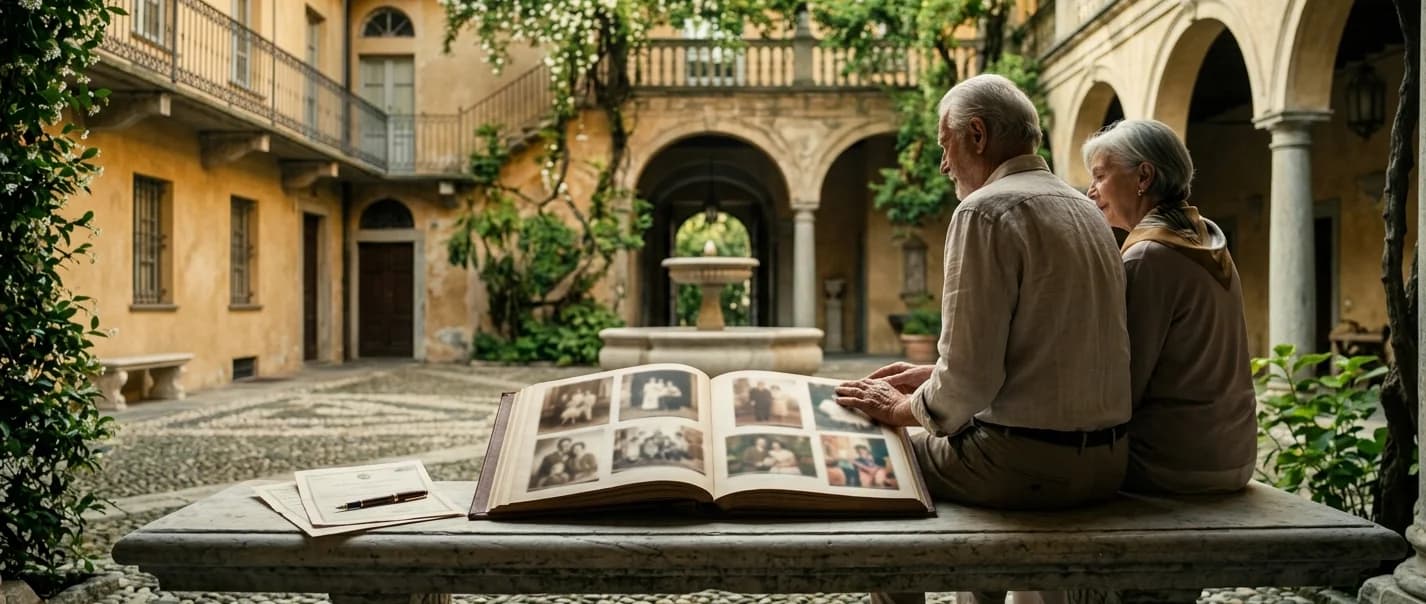
If the trip lengthens or becomes a move, documents and residence come into play. Those with Italian roots should also know guides on living in Italy and registry certificates—tourism and life here share only part of the rules.
Italy renews itself whenever you cross it slowly: a regional train, a dish never tasted, a village where nobody asks you to hurry. Iconic destinations stay in the heart; hidden ones often stay in memory longer. Safe travels—and happy discovery.