Living in Italy: a practical guide for newcomers
Expectations and reality, first days, housing, documents, language, healthcare and cultural adaptation — with warmth and practical rigour.
May 1, 2026 · 6 min
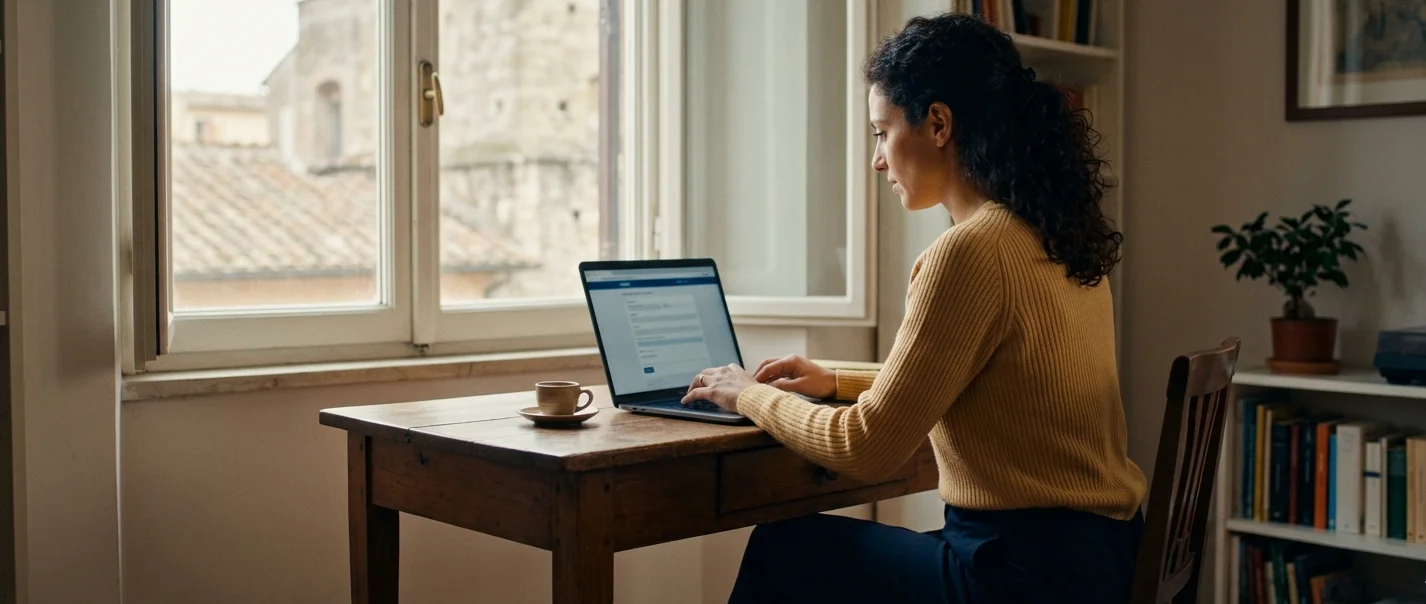
There is a moment—often on the train leaving the airport or on the first street of a historic centre—when Italy stops being a postcard and becomes a place where you need to open a bank account, sign a lease, and figure out how Saturday morning shopping works. Living in Italy is a rich experience, but it does not always match the image we had before we left.
Moving to Italy does not only mean changing country. For many people it means rediscovering their roots, finding relatives again, learning a language that was only spoken at home—and building, day by day, a sense of belonging that documents alone cannot provide.
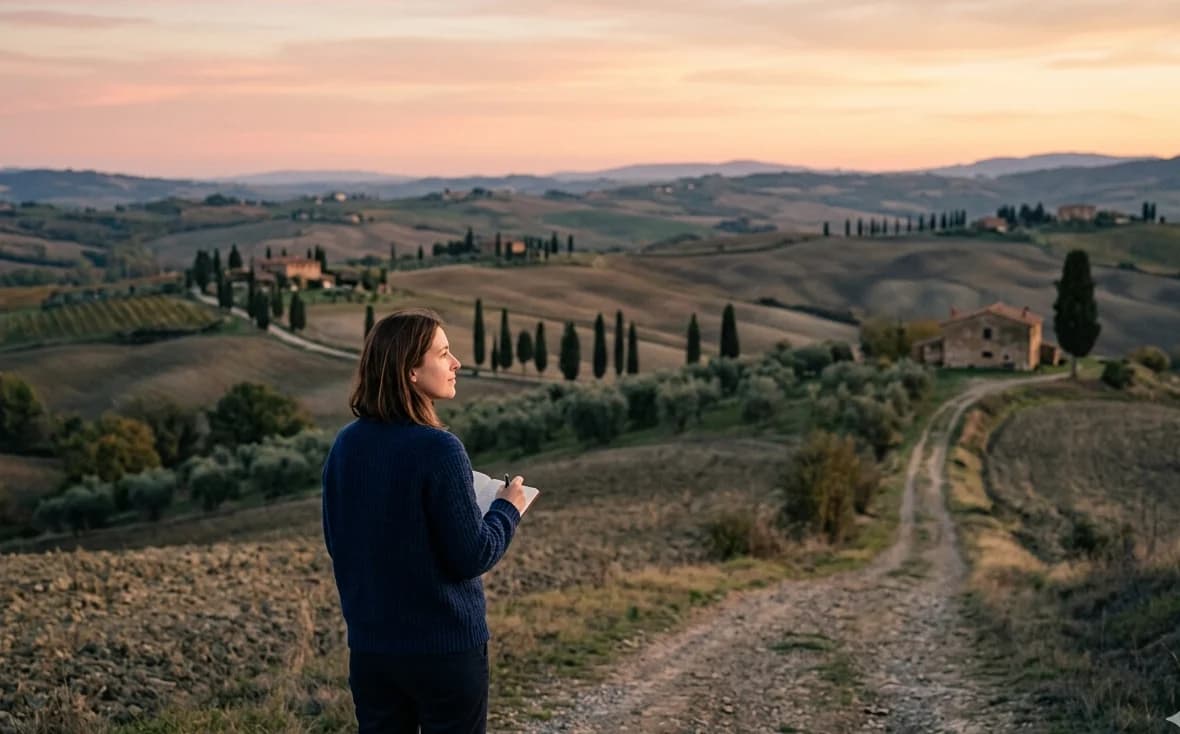
This guide is for you if you are arriving for love, work, retirement, study, or a family tie to Italy. It does not promise that everything will be easy; it promises to bring order to expectations and reality, and to give you concrete tools for the first months.
Expectations and reality: the first bureaucratic wake-up call
Italy is welcoming on a human level and often slow on an administrative one. It is common to hear that “everything gets sorted” and, on the same day, discover that an office is closed on rotation, that you need a pre-booked online appointment, or that the document you brought is “almost right” but not the one required.
The better reality is built with strategic patience: not passive resignation, but planning. Those who expect to be fully operational in a week struggle; those who prepare for two or three months of setup live with less frustration.
The first days: what to do immediately
In the very first days the temptation is to explore, eat well, and take photos. That is fine—but also reserve energy for three pillars: tax identity, verifiable housing, and basic healthcare access.
- Apply for or verify your codice fiscale (often the first step for contracts and healthcare)
- Clarify whether you need a residence permit or already hold EU citizenship
- Activate phone and internet—you will need them for bookings and SPID
- Open a bank account if possible with the documents you have
- Note useful numbers: pharmacy, out-of-hours doctor, municipality, local health authority (ASL)
Finding a home: market, contracts, and culture
The rental market in sought-after cities is competitive. Genuine listings sit alongside scams: be wary of prices that are too low, upfront transfers without a viewing, landlords who are “abroad”. Visit in person, ask about registered contracts, and understand what is included (condominium fees, heating).
Temporary vs stable
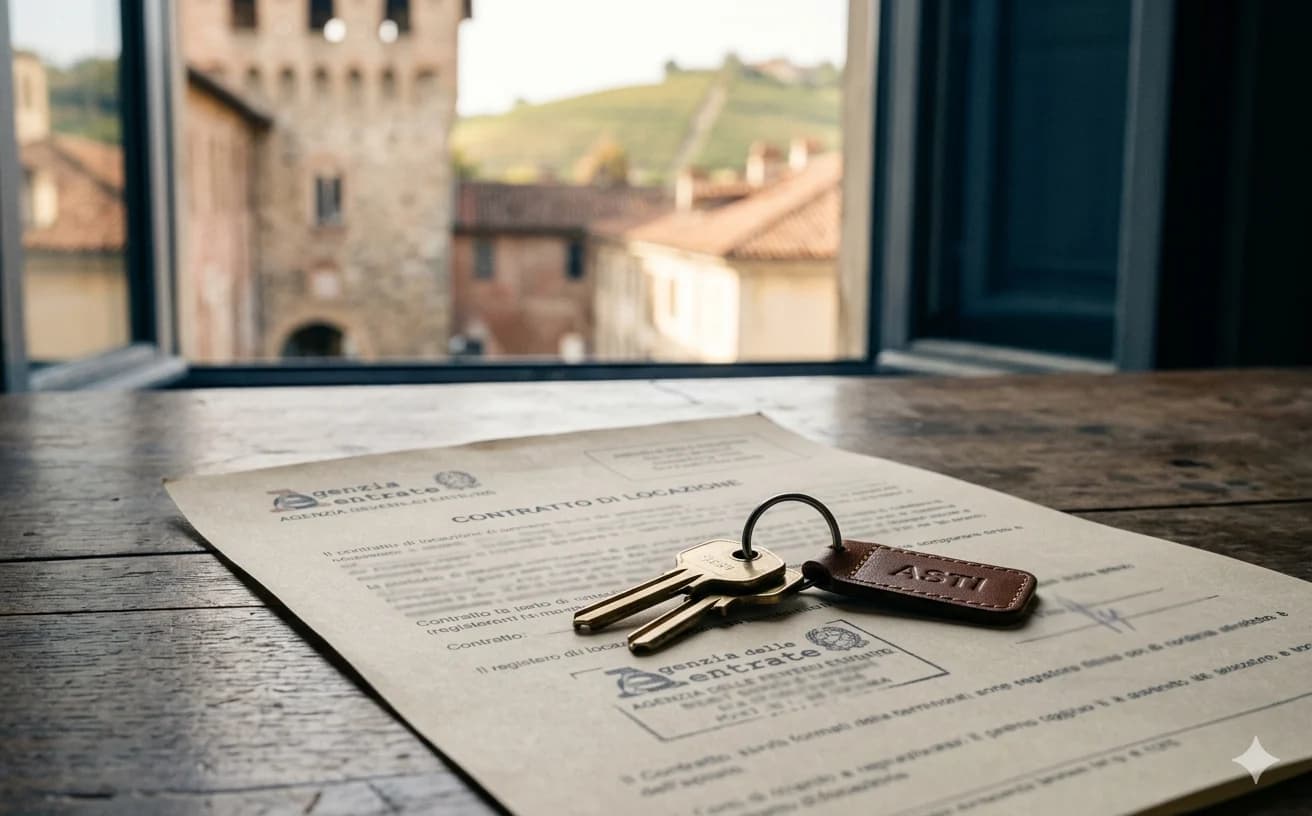
Many people start with a temporary solution—a room, a long-stay Airbnb, a relative’s home—before signing a registered lease. Anagrafe residence, which we cover shortly, often requires a coherent housing title: do not underestimate that link.
North, Centre, South: where to begin
If work does not tie you to one place, compare costs, climate, mobility, and international communities.
Documents and bureaucracy: the essential map
Italian bureaucracy is not a maze without an exit: it is a system with rules learned one at a time. Confusing residence permit, anagrafe residence, and citizenship is one of the most common mistakes—each has a different function.
Anagrafe residence
Residenza is declared at the municipality and enrols you in the local population register. It is needed for many services, schools, a family doctor in some cases, and to prove habitual residence. Municipal police verification times vary by city.
SPID, electronic ID, and online services
SPID (digital identity) opens portals such as ANPR, the Revenue Agency, and some public tenders. It is worth activating early. For registry certificates, see our guide on ANPR certificates.

If your records are in another language, sworn translation into Italian is often mandatory for contracts, marriages, and recognitions. You can request support through our sworn translation service and check which registry certificates you need before going to the counter.
Italian language: more than grammar
You can survive in Milan or Rome with English in professional contexts; it is much harder to feel at home without Italian. Language is the key to the bar, the neighbour, the doctor who explains calmly, the boss who jokes during the break.
- Intensive course on arrival, then daily practice
- Italian TV series with Italian subtitles
- Language exchange and local volunteering
- Accept making mistakes: Italian rewards those who try
Integration is not only understanding the rules: it is understanding why Sunday afternoon with family is sacred, and why many shops close in August without apology.

Healthcare: health card and the National Health Service
The Servizio Sanitario Nazionale provides care to those enrolled under current rules (EU citizens, permit holders where applicable, employees, etc.). The tessera sanitaria and choosing a general practitioner are steps to complete as soon as your codice fiscale and entitlement are clear.

The psychology of relocation
Fatigue, homesickness, waves of euphoria: it is normal. Build routines—market, walk, course—and do not isolate yourself. Expat communities help at the start; Italian friendships root you over time.
Work and income
Employment contract, partita IVA, freelance arrangements: the landscape is varied. Check that your employer’s registration and contributions are regular. If you work remotely for a foreign company while living in Italy, check tax and insurance constraints with an accountant—it is not trivial.
- Update your CV in Italian; include a photo only if common in your sector
- LinkedIn and sector sites work; local word of mouth still matters
- Regulated professions require qualification recognition
Cultural adaptation: details that make the difference
Italy is read in gestures: coffee at the counter, tipping not obligatory but appreciated, saying buongiorno when entering a shop, respect for the neighbourhood trattoria. Observe before judging; ask politely; avoid loudly comparing everything to your home country.
Bureaucracy can irritate; summer slowness can disorient. But the woman at the market who recognises you, the neighbour who helps with rubbish collection, the village festival you are invited to without knowing anyone—these moments do not appear in tourist guides.
If you are moving with legal goals too (citizenship, family reunification, transcriptions), also read common mistakes when moving to Italy and, if you are returning with Italian roots, the guide on citizenship by descent.
Living in Italy is a medium-term project: documents, home, language, health, relationships. You do not have to love everything at once; you only need to keep building, with kindness toward yourself and curiosity about what you do not yet understand. The country has time—and if you give it yours, it often gives back far more than you imagined.